
The Founding of YouTube A Short History
YouTube is one of the most influential platforms in modern media, but its origin story is surprisingly simple: a small team wanted an easier way to

Young & Blissful helps seniors, caregivers, and adult children explore local care, services, products, and support options across Ontario. Our marketplace includes basic listings, claimed listings, and verified provider profiles where applicable, so families can compare information more clearly and take the next step with confidence.
Find Senior Services Near You
We connect individuals and families with personal care assistance providers who offer support with activities of daily living (ADLs) such as bathing, grooming, toileting, and mobility.
Every senior deserves comfort, ease, independence, and choice. Every caregiver deserves the support they need.
Instead of searching everywhere, find what you need: care, services, and products, in one place.
We understand local needs, resources, insurance considerations, and community supports.
Some provider profiles may include verification details where applicable. Families should always contact providers directly to confirm services, pricing, availability, credentials, insurance, and fit.
Our platform continues to grow with new products, services, and partners dedicated to senior wellbeing across Ontario.
Trusted care services and senior products
Options that fit your needs and budget
With verified providers and support resources
Knowing you chose safe, supportive solutions
YouTube is one of the most influential platforms in modern media, but its origin story is surprisingly simple: a small team wanted an easier way to
When Should You See a Physiotherapist, Occupational Therapist, or Chiropractor is a question many seniors, caregivers, and adult children ask when they want a safer,
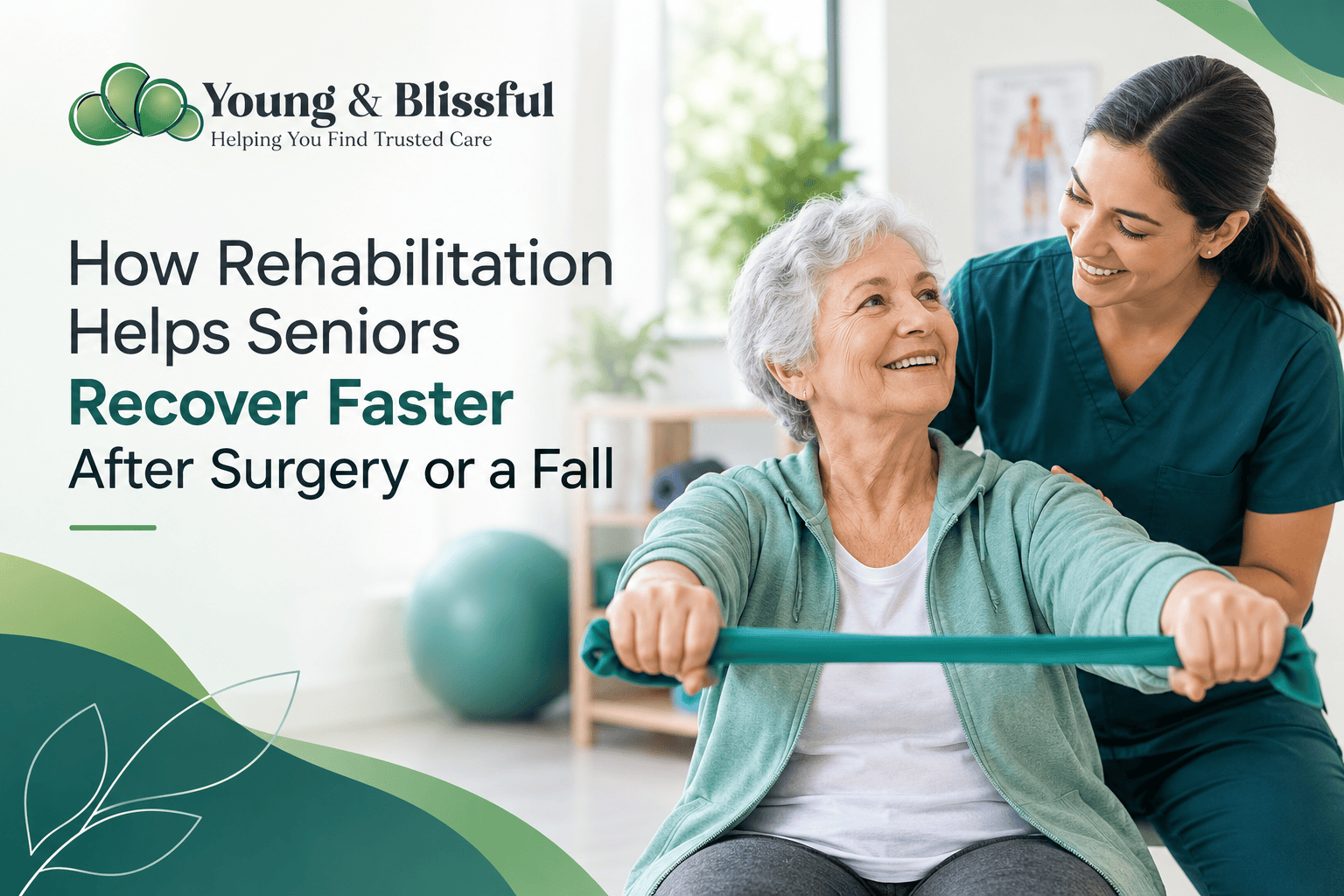
How Rehabilitation Helps Seniors Recover Faster After Surgery or a Fall is a question many families supporting an older adult after surgery or a fall
Zasada działania: Xanax (Alprazolam) Sposób płatności: VISA, Mastercard, Amex, JCB, Bitcoin, Ethereum Ceny od I Euro; 180,00 Xanax Kup Online Xanax, znany również jako
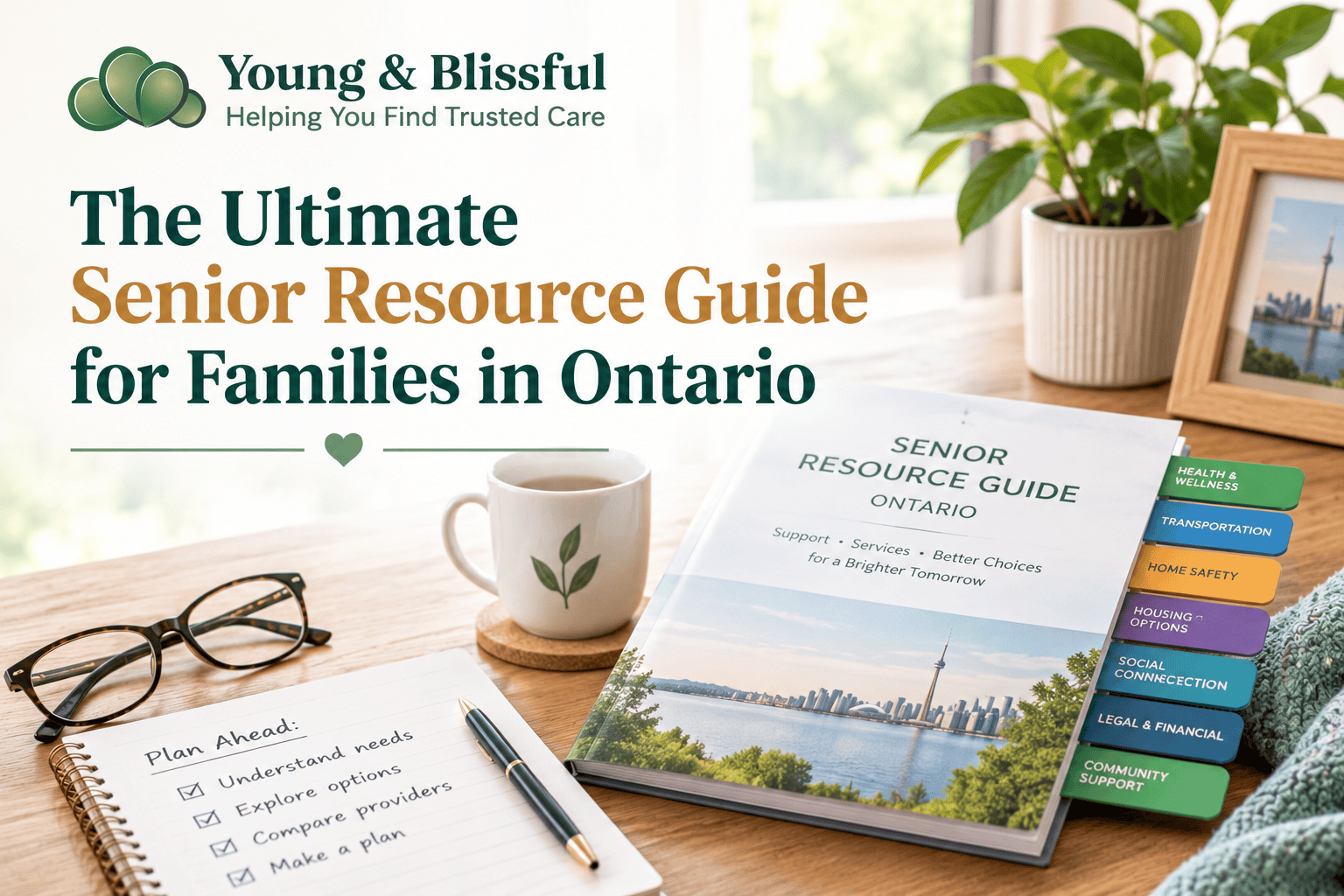
The Ultimate Senior Resource Guide for Families in Ontario is a question many seniors, caregivers, adult children, and families ask when everyday life begins to

What to Do After a Parent Has a Fall: Your First 30 Days is a question many seniors, caregivers, adult children, and families ask when
Young & Blissful is an Ontario senior services marketplace that helps seniors, family caregivers, and adult children find care providers, wellness services, products, and practical supports in one place. Families can explore categories such as home care, physiotherapy, occupational therapy, medical and dental care, mental health, mobility products, caregiver support, housing, transportation, technology help, and daily living services. Young & Blissful is designed to make searching for senior support clearer, more organized, and less overwhelming.
Young & Blissful is a marketplace and directory, not a direct healthcare provider unless a specific service is clearly identified as being provided by Young & Blissful. The platform helps users discover and compare providers, agencies, organizations, and product suppliers. Seniors and caregivers should contact each listed provider directly to confirm credentials, licensing, fees, service availability, insurance, wait times, and whether the service is appropriate for their needs.
Families can search across major senior-care categories, including Physiotherapy & Occupational Therapy, Medical & Dental Care, Mental Health & Wellness Services, Home Care & Personal Support, Mobility & Accessibility Products, Caregiver Support Programs, Housing, Retirement & Long-Term Care, Transportation Services, Technology Help for Seniors, and Daily Living & Lifestyle Support. Each category can connect users to more specific sub-services, such as fall prevention, home safety assessments, denture clinics, respite care, wheelchair transport, scam prevention training, meal delivery, and senior fitness.
Yes. Young & Blissful is structured to support location-based searches across Ontario, including communities and regions such as Toronto, North York, Scarborough, Ottawa, Peel Region, Mississauga, Brampton, York Region, Markham, Richmond Hill, Vaughan, Durham Region, Pickering, Ajax, Whitby, Oshawa, Hamilton, Niagara Region, St. Catharines, Niagara Falls, Simcoe County, Barrie, Orillia, Kitchener, Waterloo, and Cambridge. Use location pages and filters to narrow results by service area.
Caregivers often have to compare many websites, phone numbers, service categories, and eligibility details while also managing family responsibilities. Young & Blissful helps by organizing senior services into searchable categories and location pages. A caregiver can start with the senior’s need, such as personal care, medical transportation, mobility equipment, caregiver training, mental health support, or housing, then narrow the search by provider type, service delivery model, accessibility features, and location.
Before contacting a senior care provider, review the service category, specific services offered, delivery model, service area, credentials, licensing or regulatory body, years of experience, insurance information, accessibility features, languages spoken, wait time, online booking availability, and public contact details. These details help families ask better questions and compare providers more confidently before deciding whether to book a consultation, request pricing, or arrange care.
Yes, the marketplace can help families explore services and products that may support aging in place. Relevant categories include home care and personal support, physiotherapy, occupational therapy, home safety assessments, mobility aids, grab bars, ramps, stair lifts, medication dispensers, emergency alert systems, meal delivery, cleaning, snow removal, transportation, technology help, and caregiver support. Families should speak with qualified providers to determine what combination of supports may be appropriate.
Adult children often need help understanding what type of support their parent needs first. Young & Blissful helps organize options across healthcare, home support, housing, transportation, caregiver education, technology help, and daily living services. This can be useful after a fall, hospital discharge, new diagnosis, mobility change, memory concern, caregiver burnout, or when a family is planning ahead for safer aging at home.
Yes. Providers, agencies, organizations, clinics, and product suppliers serving seniors can apply to be listed on Young & Blissful. Listings can help providers improve visibility with seniors and caregivers searching for services by category and location. Strong listings should include service descriptions, categories and subcategories, service area, credentials, accessibility details, languages, booking information, photos, and verified contact details where available.
A strong listing is clear, complete, and easy for families to evaluate. It should explain who the provider supports, what services are offered, whether services are in-home, in-clinic, virtual, or hybrid, which cities or regions are covered, whether accessibility features are available, what credentials or regulatory bodies apply, and how families can book. Photos, Google Business Profile details, reviews, and online booking links can also improve trust when used appropriately.
Families should compare service fit, location, availability, price, credentials, insurance, staff training, accessibility, languages, communication style, and experience with similar needs. For regulated healthcare services, families should confirm the provider’s licensing or regulatory status directly. For home care, transportation, mobility products, and lifestyle services, ask about safety practices, cancellation policies, emergency procedures, and how the provider handles changes in the senior’s needs.
FAQs help seniors, caregivers, and search engines understand what each service category means, who it supports, and what questions families should ask before choosing a provider. Clear FAQs also help AI search tools identify relationships between senior care categories, sub-services, locations, and provider types. FAQs should be visible on the page as crawlable HTML text and should only use FAQPage schema when the same FAQ copy is visible to users.
Start discovering solutions that bring ease, dignity, and peace of mind today and for the future.
Young & Blissful, Where seniors, families, and caregivers feel supported.